
Papaya
Realize The Taste Of This Delicious Fruit
Deliciously sweet with musky undertones and a soft, butter-like consistency, it is no wonder the papaya was reputably called the "fruit of the angels" by Christopher Columbus. Once considered quite exotic, they can now be found in markets throughout the year. Although there is a slight seasonal peak in early summer and fall, papaya trees produce fruit year round.
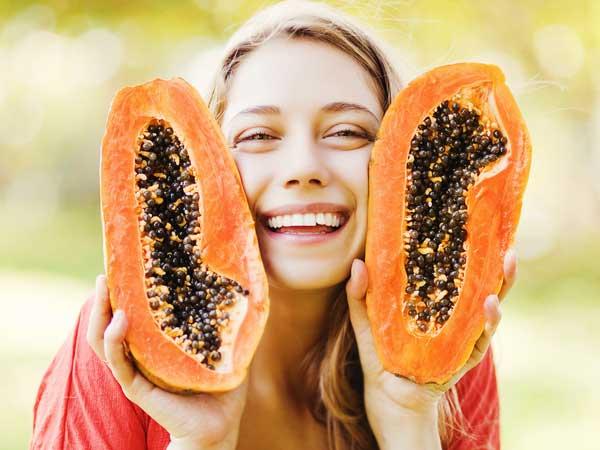
Papayas are spherical or pear-shaped fruits that can be as long as 20 inches. The ones commonly found in the market usually average about 7 inches and weigh about one pound. Their flesh is a rich orange color with either yellow or pink hues. Inside the inner cavity of the fruit are black, round seeds encased in a gelatinous-like substance. Papaya's seeds are edible, although their peppery flavor is somewhat bitter. The fruit, as well as the other parts of the papaya tree, contain papain, an enzyme that helps digest proteins. This enzyme is especially concentrated in the fruit when it is unripe. Papain is extracted to make digestive enzyme dietary supplements and is also used as an ingredient in some chewing gums.
Papaya, fresh 1.00 medium(276.00 grams) Calories: 119
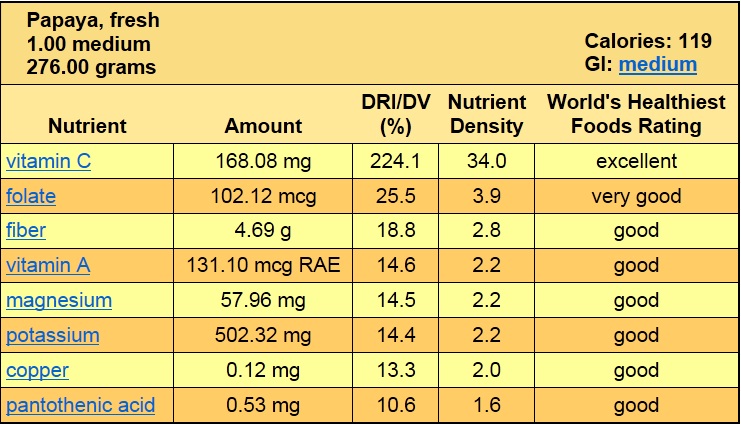
Introduction to Food Rating System Chart
In order to better help you identify foods that feature a high concentration of nutrients for the calories they contain, we created a Food Rating System. This system allows us to highlight the foods that are especially rich in particular nutrients. The following chart shows the nutrients for which this food is either an excellent, very good, or good source (below the chart you will find a table that explains these qualifications). If a nutrient is not listed in the chart, it does not necessarily mean that the food doesn't contain it. It simply means that the nutrient is not provided in a sufficient amount or concentration to meet our rating criteria. (To view this food's in-depth nutritional profile that includes values for dozens of nutrients - not just the ones rated as excellent, very good, or good - please use the link below the chart.) To read this chart accurately, you'll need to glance up in the top left corner where you will find the name of the food and the serving size we used to calculate the food's nutrient composition. This serving size will tell you how much of the food you need to eat to obtain the amount of nutrients found in the chart. Now, returning to the chart itself, you can look next to the nutrient name in order to find the nutrient amount it offers, the percent Daily Value (DV%) that this amount represents, the nutrient density that we calculated for this food and nutrient, and the rating we established in our rating system. For most of our nutrient ratings, we adopted the government standards for food labeling that are found in the U.S. Food and Drug Administration's "Reference Values for Nutrition Labeling."
This chart graphically details the %DV that a serving of Papaya provides for each of the nutrients of which it is a good, very good, or excellent source according to our Food Rating System. Additional information about the amount of these nutrients provided by Papaya can be found in the Food Rating System Chart. A link that takes you to the In-Depth Nutritional Profile for Papaya, featuring information over 80 nutrients, can be found under the Food Rating System Chart.
Description
Papayas are fruits that remind us of the tropics, the regions of the world in which they are grown. Once considered an exotic fruit, papayas' rise in popularity has made them much more available.
Papayas are spherical or pear-shaped fruits that can be as long as 20 inches. The ones commonly found in the market usually average about 7 inches and weigh about one pound. Their flesh is a rich orange color with either yellow or pink hues.
Papaya has a wonderfully soft, butter-like consistency and a deliciously sweet, musky taste. Inside the inner cavity of the fruit are black, round seeds encased in a gelatinous-like substance. Papaya's seeds are edible, although their peppery flavor is somewhat bitter.
The fruit, as well as the other parts of the papaya tree, contain papain, an enzyme that helps digest proteins. This enzyme is especially concentrated in the fruit when it is unripe. Papain is extracted to make digestive enzyme dietary supplements and is also used as an ingredient in some chewing gums.
History
Papayas, native to Central America, have been long revered by the Latin American Indians. Spanish and Portuguese explorers brought papayas to many other subtropical lands to which they journeyed including India, the Philippines, and parts of Africa.
This revered tropical fruit was reputably called "the fruit of the angels" by Christopher Columbus. In the 20th century, papayas were brought to the United States and have been cultivated in Hawaii, the major U.S. producer since the 1920s. Today, the largest commercial producers of papayas include the United States, Mexico and Puerto Rico.
Nutritional Profile
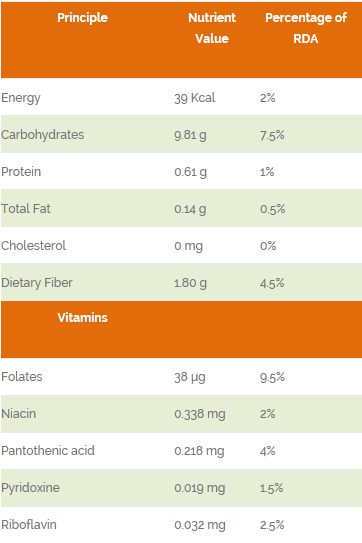
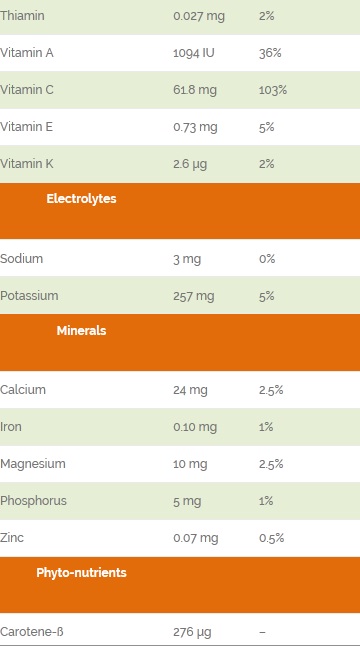
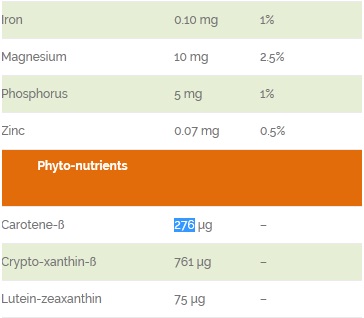
Papaya is an excellent source of vitamin A (in the form of carotenoids) and vitamin C. It is a very good source of folate. In addition, it is a good source of dietary fiber, magnesium, potassium, copper, and vitamin K. For an in-depth nutritional profile click here: Papaya.